We build the power.
And the systems
that run on it.
Energy-intensive site development, electrical design and procurement, business software and AI deployment — delivered by one firm that works on both sides of the meter.
Electrical engineering, meet business systems.
CornRex Technology works on both sides of the electric meter. On the power side we source capacity and land, carry interconnection applications through the utility, specify and buy transformers and switchgear, and supervise the contractors who put a site into service. On the technology side we select and implement the software a growing company actually needs, then plan and deploy the AI initiatives that let a small team operate like a much larger one.
The two halves are less different than they look. A 20 MW site and a company-wide software rollout fail the same way: an unclear scope, a lead time nobody tracked, and no one named as responsible for the handover. We run both with a written specification, a procurement plan built around the longest lead item, and a commissioning checklist that has to be signed before anyone calls the work finished.
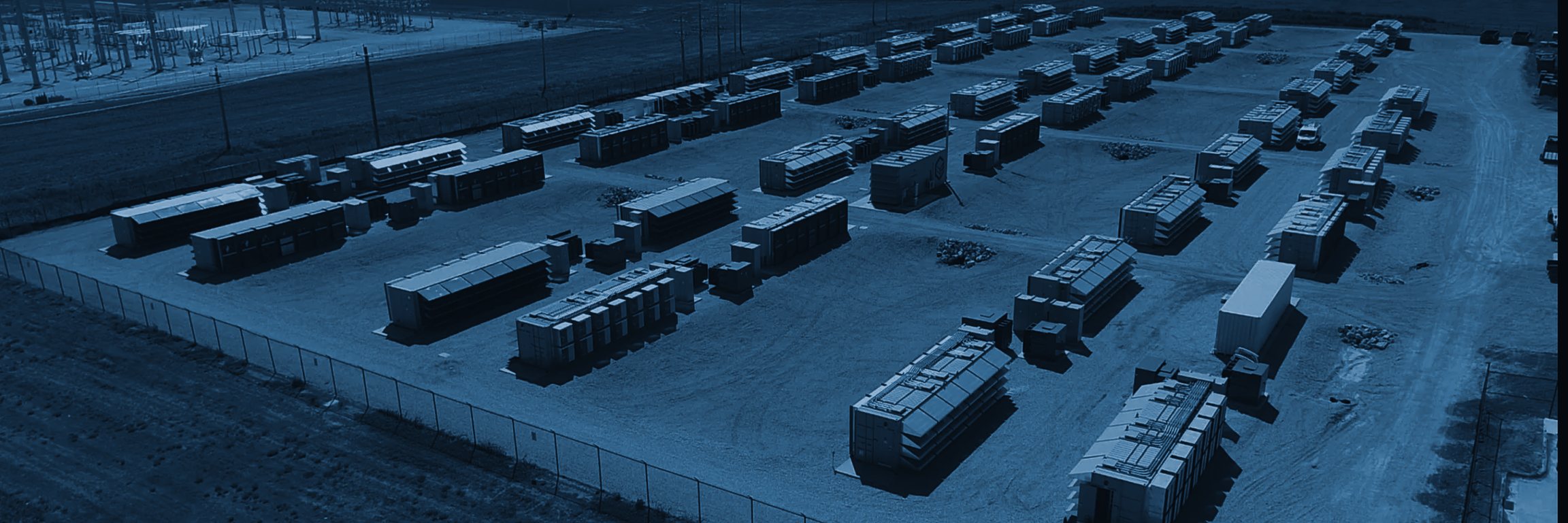
Everything between the line and the load
We are responsible for all of it: the capacity behind the interconnect, the equipment that steps it down, and the contractors who set it on a pad.
From the grid to the general ledger
Most projects touch three or four of these layers. Few firms are willing to work in more than one.
Five ways we are engaged
Bitcoin mining site construction consulting
We take a site from a power lead to an energized, operating facility: capacity and land sourcing, load letters and interconnection applications, one-line and equipment design, container or immersion layout, contractor scope and bid leveling, then commissioning and energization oversight. Typical scope is 5–50 MW behind a utility or substation interconnect.
Business supporting software implementation
For companies still running on spreadsheets, email threads and one overloaded office manager. We map the work as it is actually done, select accounting, CRM, inventory or field-operations software that fits the way you sell and bill, then handle data migration, integration, training and the first quarter of support so the system survives go-live.
Small business AI initiative planning & deployment
A short assessment of where AI earns its keep in your business, followed by the deployment itself. We rank candidate use cases by payback and data readiness, pilot the best two or three, and put guardrails, an acceptable-use policy and a measurement method around them. You finish with a 90-day roadmap that has named owners and a budget, not a demo.
Electric power system design & procurement consultancy
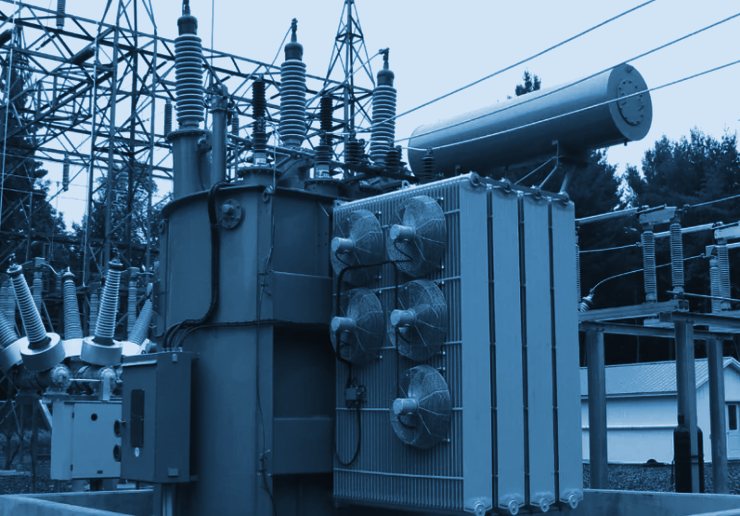
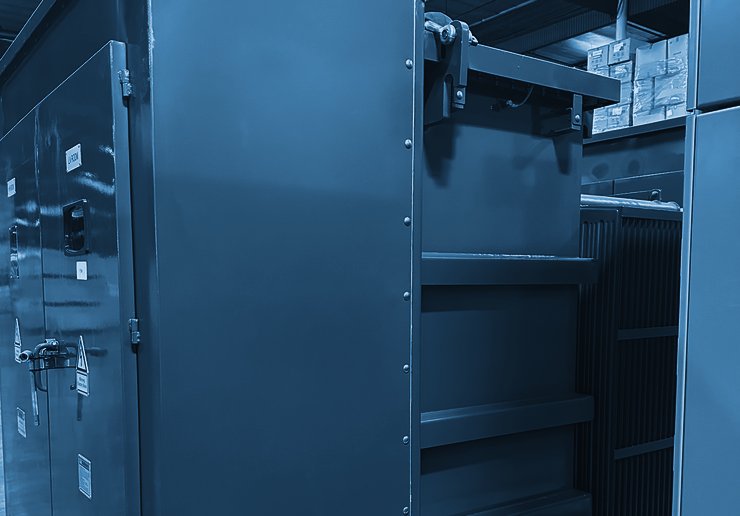
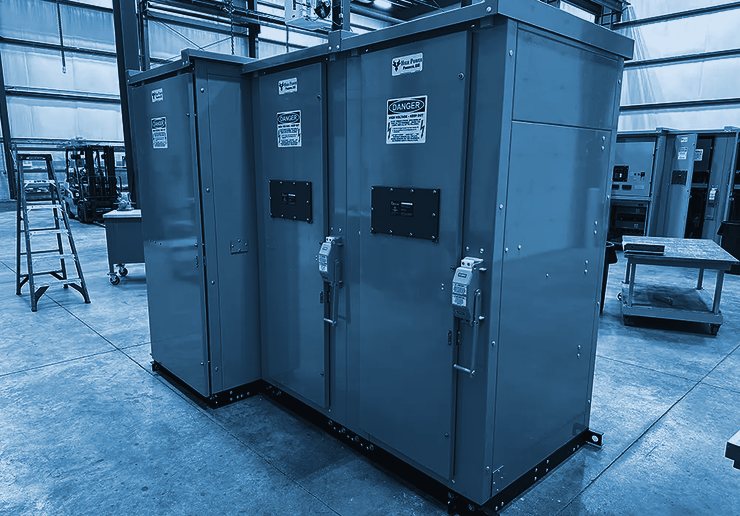
One-line development, transformer sizing and specification — kVA, impedance, BIL, taps, temperature rise, enclosure and accessories — switchgear and protection selection, grounding and arc-flash review, and then the buying: written specifications, RFQ management, bid tabulation, drawing and submittal review, factory test witness and lead-time-driven logistics.
Electric power device & equipment marketing services
Representation for transformer and power-equipment manufacturers selling into North America. We translate a factory's capability into the specifications buyers actually issue, qualify the RFQs worth quoting, support quotation and submittal packages, and follow quality and factory testing through to delivery and after-sale support — so a technically sound product is not lost in translation.
How an engagement runs
The same five phases carry a substation project and a software rollout. Durations are typical, not promises — the schedule is set by the longest lead item, and we name it in phase one.
Discovery & feasibility
Constraints, budget and schedule. Power availability and site facts, or an inventory of the systems and data you already have. We tell you early if it does not work.
Definition & design
One-lines, equipment specifications and construction scope — or solution architecture, use-case ranking and an integration map. Everything in writing, everything reviewable.
Procurement & selection
RFQs issued to qualified vendors, bids leveled on a like-for-like basis, long-lead items released first. Award recommendations are written so you can see the trade.
Deployment & construction
Contractor and vendor oversight, submittal and drawing review, factory testing — or configuration, data migration and a live pilot with real users.
Commissioning & handover
Energization or go-live against a signed checklist, as-built documentation, operator and staff training, and a written support plan naming who to call.
Phases overlap. Procurement of the main power transformer usually begins before design is finished, because the transformer — not the construction crew — sets the energization date.
A mining site, end to end
What the work looks like
Representative equipment of the kind we size, specify, buy and commission — from a utility-scale transformer down to a switchgear lineup on a shop floor.
To give independent operators and small businesses the caliber of power engineering and technology execution that large companies keep in-house.
A grid where energy-intensive computing is built responsibly, and a business floor where small teams run on systems as capable as their ambition.
Field-tested, not theoretical
Every recommendation has been through a factory, a yard or a go-live.
Owner's side of the table
Where we represent a manufacturer, we say so before you ask.
Lead times are the schedule
We plan backwards from the longest item and name it in week one.

Tell us what you are trying to energize.
A site lead, a transformer specification, a software mess, or an AI idea you have not been able to scope. The first conversation is on us.